Medication Reminder & Senior Care Blog
Practical guides on medication reminder apps, pill reminders, and staying on top of medications for seniors 55+ and the family who cares for them.

Does a Reminder App Work Without Wifi?
Worried a medication reminder won't work without wifi or cell signal? Here's what actually needs a connection, and what keeps ringing regardless.
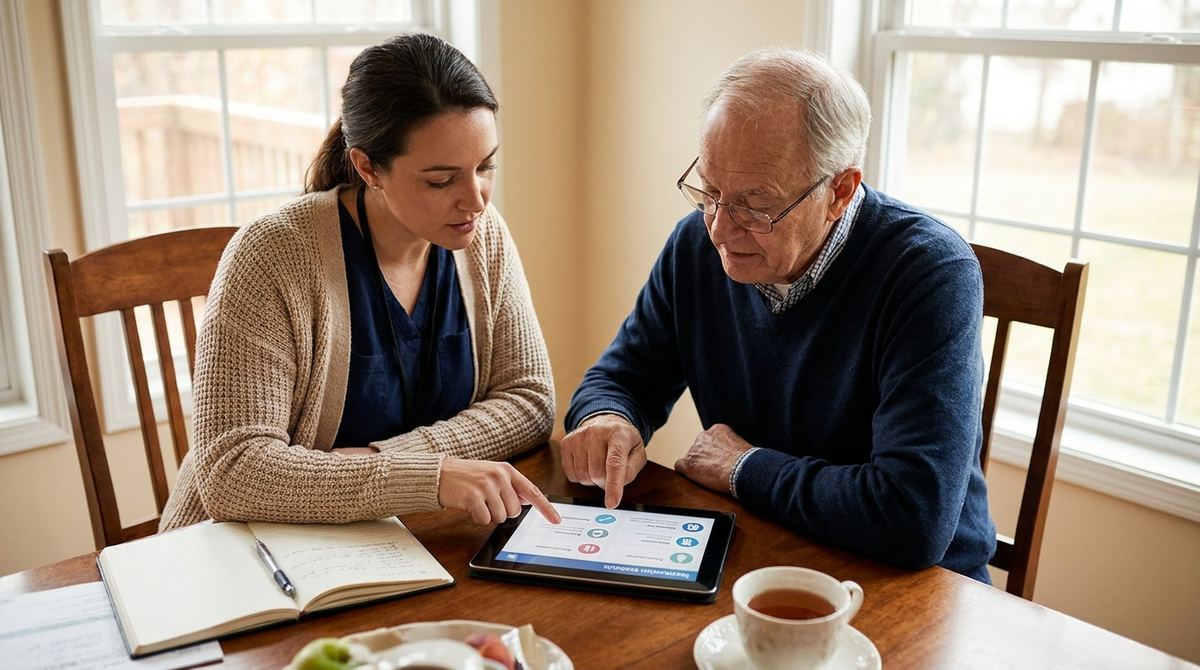
Medication Reminder App for a Hired Caregiver
A hired caregiver can be your linked contact for medication alerts just like family. Here's how to set that up and hand off responsibility clearly.
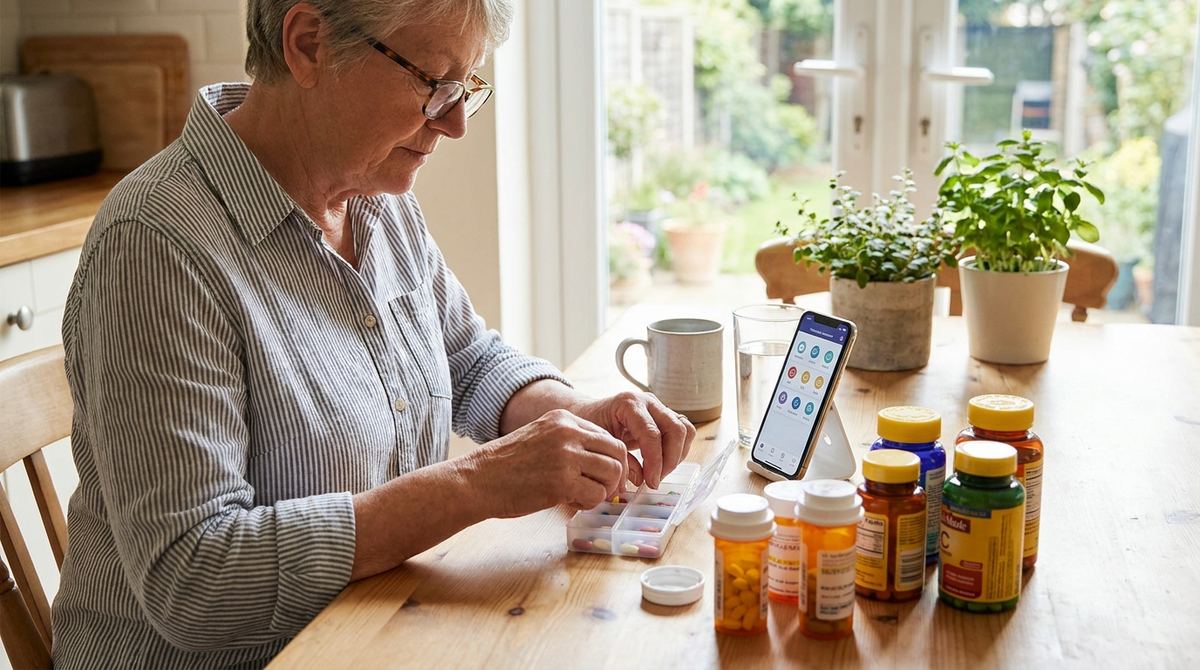
Track Vitamins and Meds in One Reminder App
Vitamins and supplements are easy to leave out of a medication routine. Here's why tracking them alongside prescriptions actually matters.
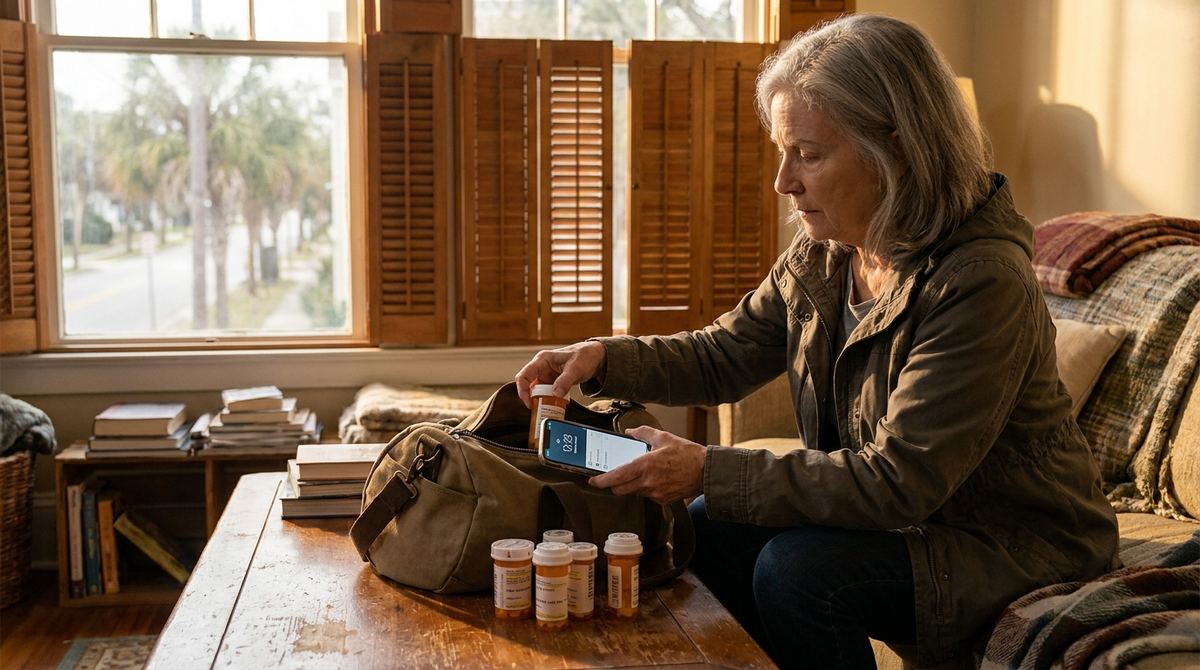
Personal Alarms for Elderly During Evacuation
A hurricane or wildfire evacuation disrupts your medication routine fast. Here's how to keep doses on schedule and your supply packed before you need it.
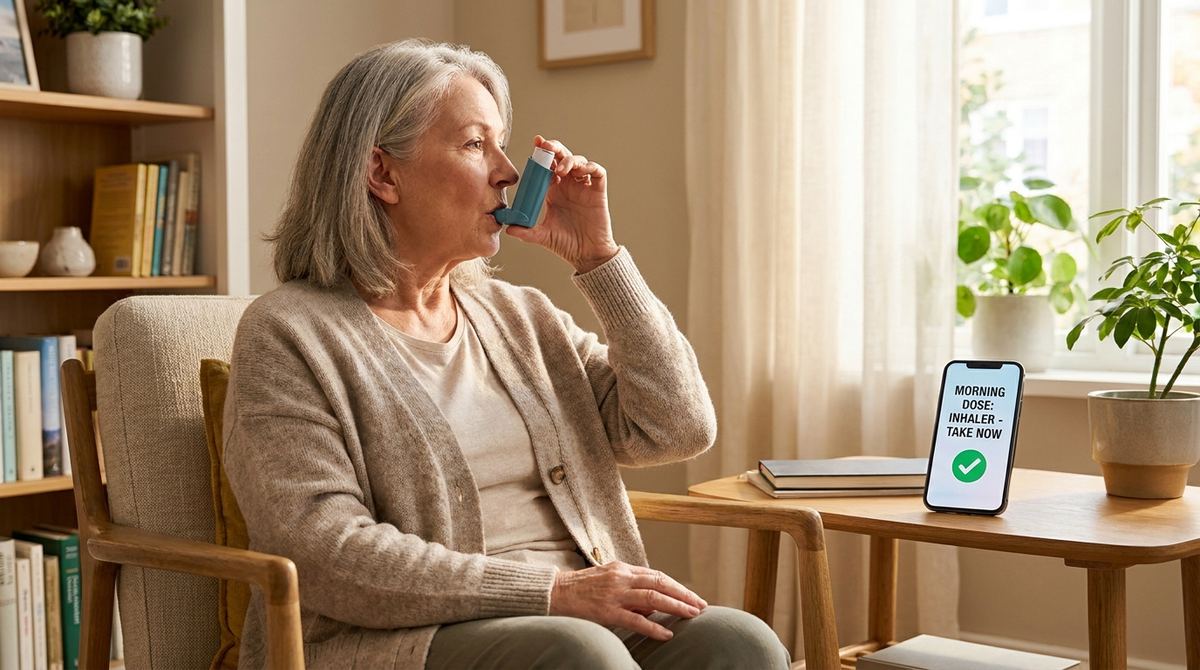
Medication Reminder App for COPD Inhalers
COPD means two different inhalers with two different reminder needs. Here's how to schedule a maintenance inhaler and still track rescue inhaler use.
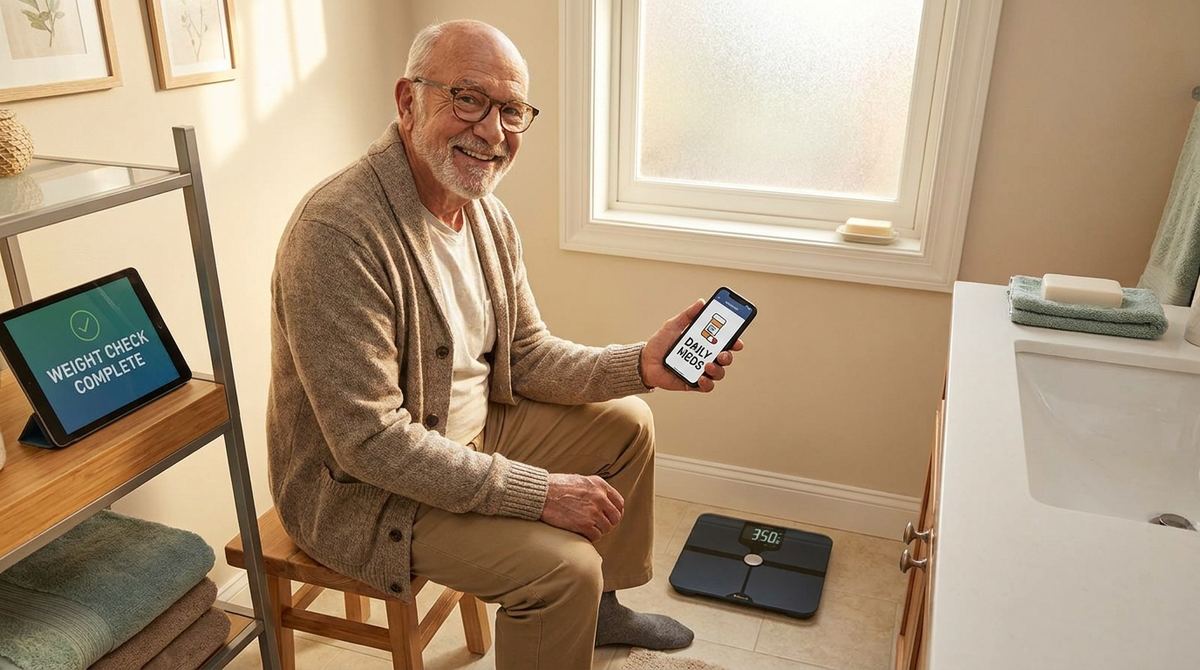
Medication Reminder App for Heart Failure
Heart failure medications often work on a strict daily rhythm. Here's why timing matters, and how to keep diuretics and other doses consistent.
Medication Reminder App to Finish Antibiotics
Stopping antibiotics early once symptoms fade is a common mistake. Here's how a medication reminder app keeps a short course going to the very last dose.
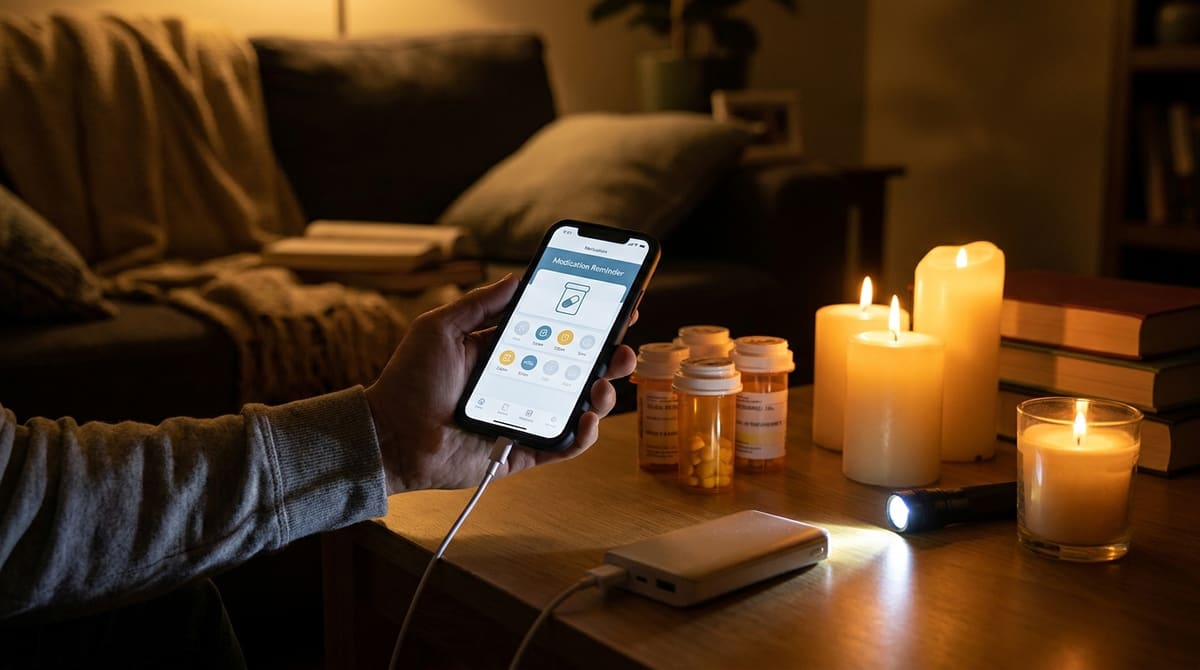
Personal Alarms for Elderly During a Power Outage
A dead phone battery during a power outage can silence every medication alert at once. Here is how to keep personal alarms for elderly relatives working.
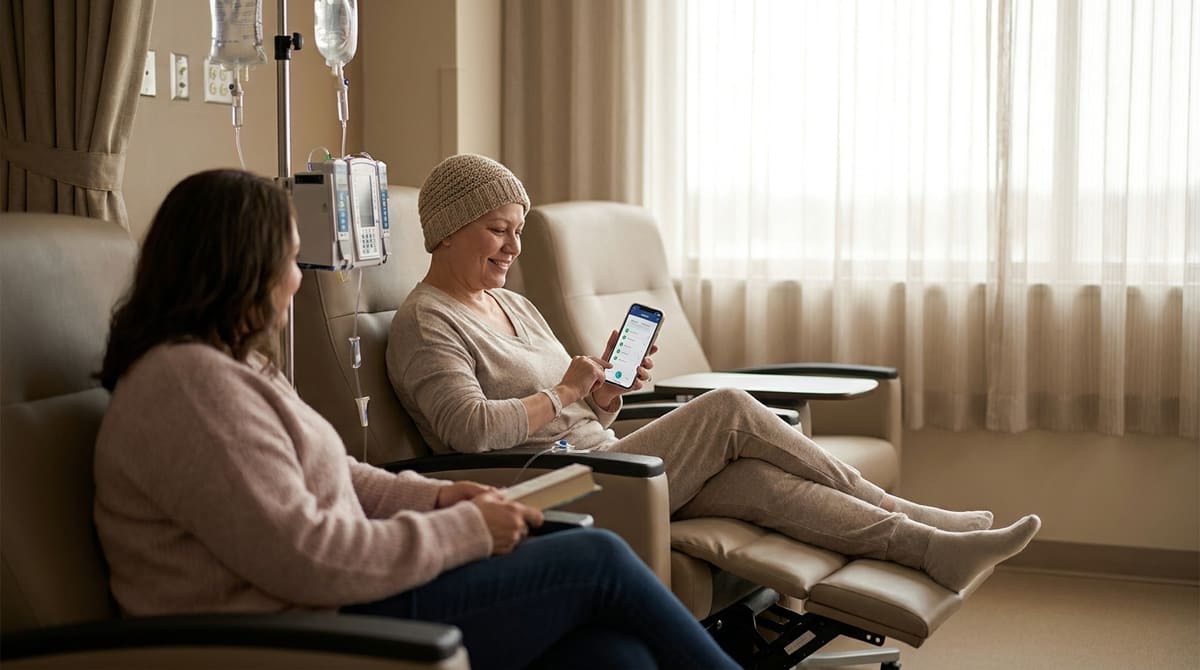
Medication Reminder App for Chemo Schedules
Chemotherapy schedules shift week to week and rarely match a simple daily alarm. Here is how a medication reminder app adapts to a changing chemo calendar.

Pill Reminder App for Seniors With No Smartphone
Not every senior owns a smartphone. Here is how a pill reminder app still works on a basic tablet or a hand-me-down phone, and what to set up differently.
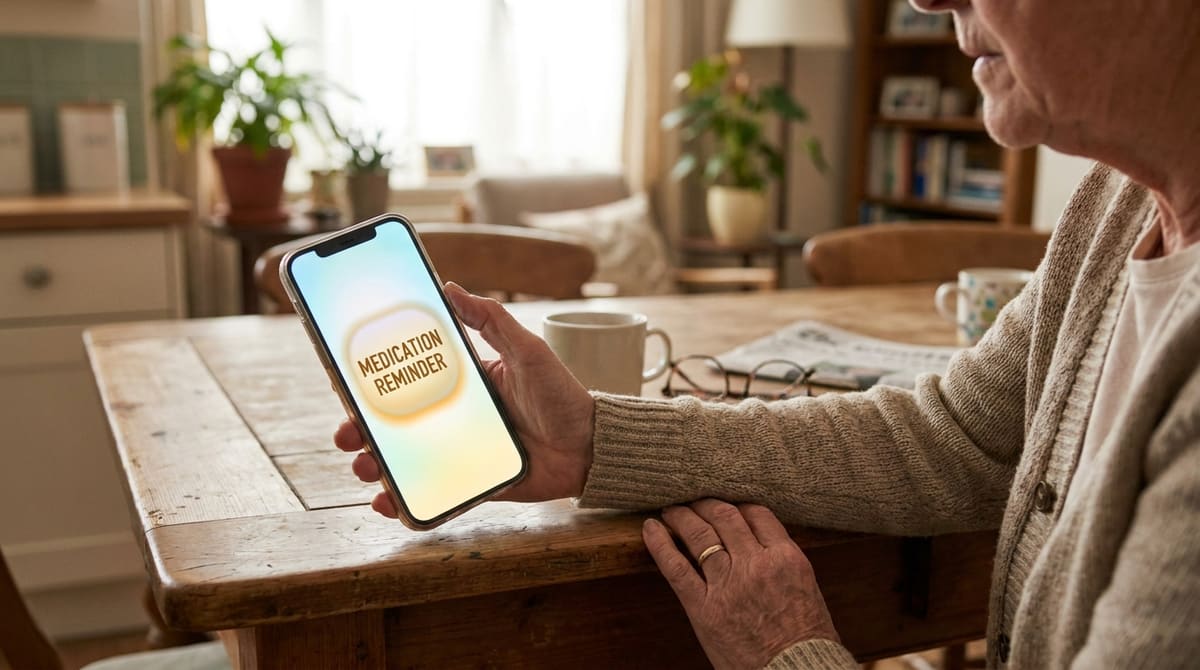
Personal Alarms for Elderly With Parkinson's
Tremor makes tiny app buttons hard to tap accurately. Here is what to look for in personal alarms for elderly users managing Parkinson's or a shaking hand.
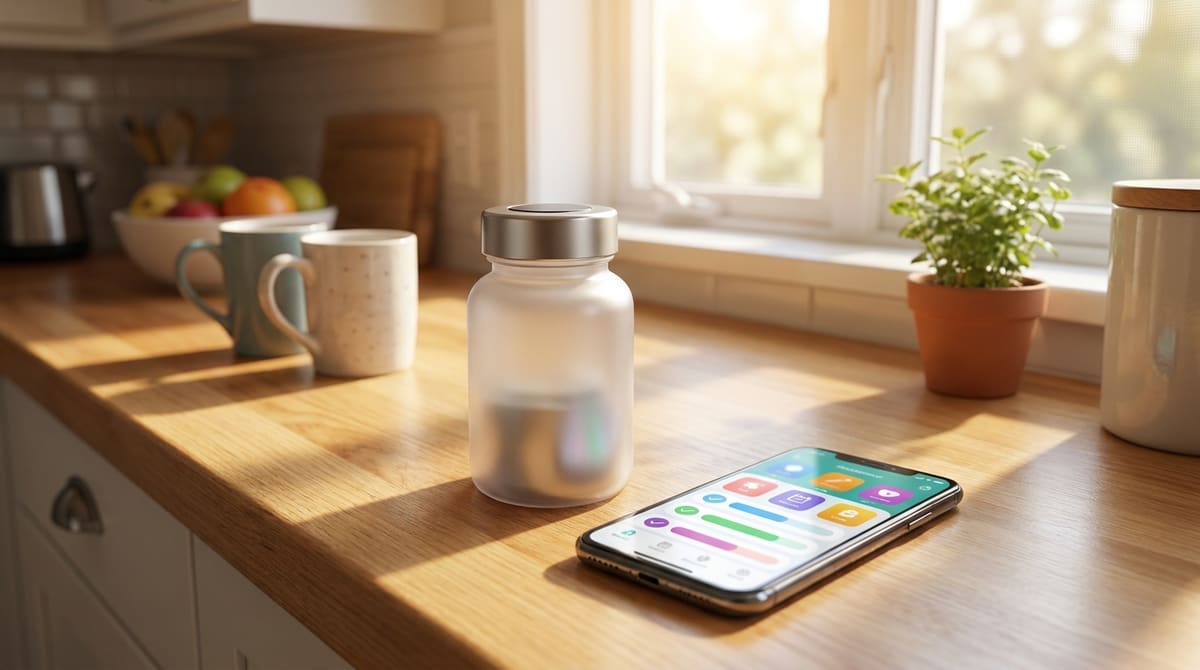
Medication Reminder App vs. Smart Pill Bottle
A smart pill bottle tracks caps automatically, and a medication reminder app tracks doses on the phone already in your pocket. Here is how the two compare.

Medication Reminder App for Holiday Travel
A holiday trip can quietly throw off medication timing, even without changing time zones. How a phone-based reminder app travels with the routine.
When Medication Reminders Feel Like Nagging
When a medication reminder feels like being checked up on, the fix is usually framing, not the tool. How to keep the alert without the friction.
Med Reminder App After Joint Replacement
Pain medication and blood thinners after hip or knee surgery both depend on consistent timing. How a reminder app helps early recovery stay on track.
Personal Alarms for Elderly Living Alone
A confirmed morning dose quietly doubles as a wellness signal for a parent living alone. What personal alarms for elderly users can and can't cover.
Medication Reminder App for Insulin Timing
Insulin is usually tied to meals, not a fixed clock time. How a flexible medication reminder app fits real insulin dosing better than a rigid alarm.
Medication Reminder App After a Stroke
Blood thinners and blood pressure medication depend on consistent timing after a stroke. How a medication reminder app helps recovery stay on schedule.
Managing Meds for a Spouse With Dementia
Caring for a spouse with dementia while managing your own medications too is a heavier load than it looks. How to set up support for both of you.
Is an App Useless in a Nursing Home?
If nursing home staff already administer medications, is a reminder app pointless? It depends on which medications you're actually talking about.
Eye Drop Reminders After Cataract Surgery
Tapering eye drop schedules after cataract surgery are easy to lose track of. How to keep a changing, multi-drop routine straight during recovery.
A Grandkid's Guide to Setting This Up
Grandkids often end up setting up new technology for a grandparent. How to set up medication reminders together in one sitting, the right way.
Managing Meds for Both of Your Parents
Tracking two parents' medications in your head is where details start slipping. How to get alerts for both without juggling two separate apps.
Backup Coverage When You Go on Vacation
A vacation shouldn't mean hoping nothing goes wrong at home. How to set up real backup coverage for a parent's medication reminders before you leave.
When Multiple Family Members Share Care Duty
Several relatives checking on the same parent can create confusion instead of coverage. How to coordinate without duplicating effort.
Bring Your Medication History to the Doctor
A doctor asking if you've been taking this consistently deserves a real answer. How an automatic history log actually helps at appointments.
Use a Reminder App With a Weekly Pillbox
A pillbox and a reminder app solve two different problems. Here's how to use both together instead of picking one over the other.
When a Parent Already Tried and Quit an App
One bad experience with a reminder app doesn't mean the idea failed. What usually causes seniors to quit, and how to try again differently.
Medication Reminder App vs. Phone Alarm
A phone alarm is free and already there. Here's exactly where it falls short for medication, and when a dedicated app earns the switch.
Caregiver Burnout From Checking Meds
Constantly wondering if a parent took their pills is its own kind of exhausting. How the right setup actually reduces that mental load.
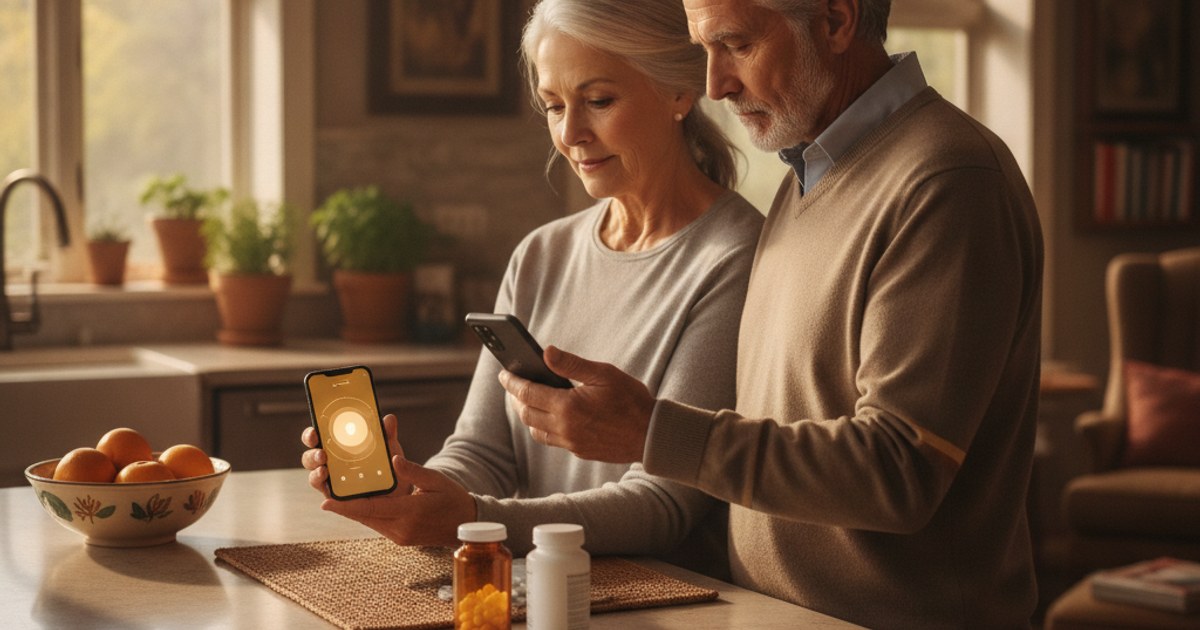
Pill Reminder App for Couples Sharing Meds
Two people, two medication lists, one kitchen counter. Here's how a pill reminder app keeps a couple's separate schedules from getting mixed up.
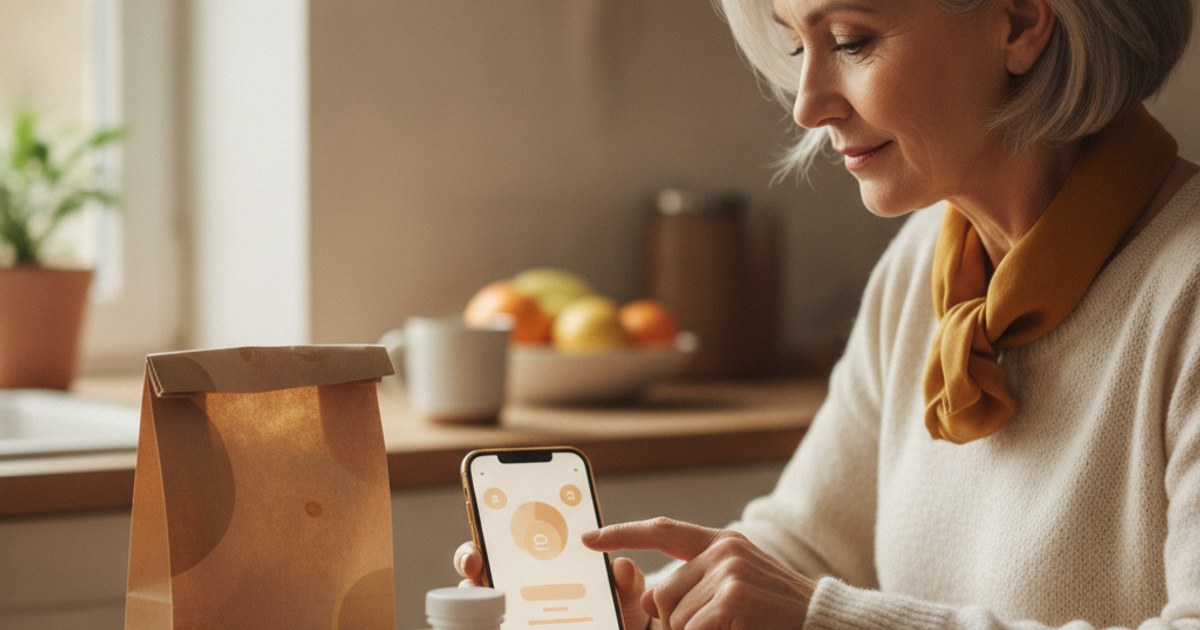
Medication Reminder App for a New Prescription
The first two weeks on a new medication are when doses get missed most, before the routine sets in. Here's how a reminder app carries that early stretch.
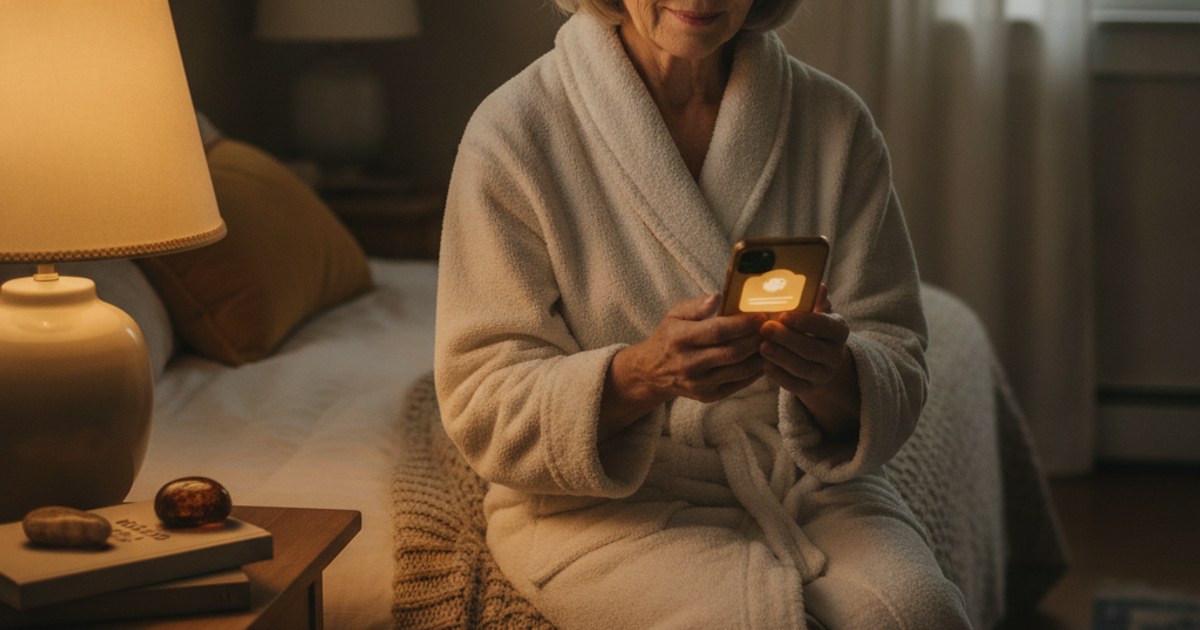
Personal Alarms for Elderly: Nighttime Doses
A bedtime dose is the easiest one to sleep through and the easiest to forget entirely. Here's how a nighttime medication alarm actually needs to work.

Pill Reminder Apps for Seniors With Arthritis
Sore joints make small buttons and tiny text hard to use, not just annoying. Here's what to look for in a pill reminder app built for arthritis.
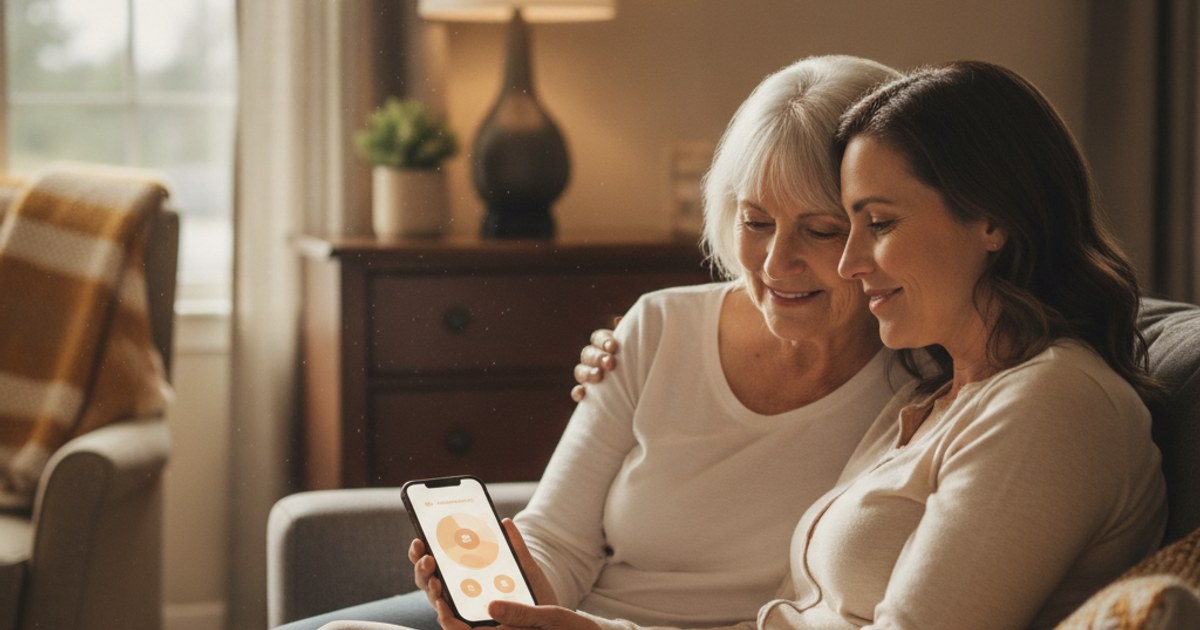
Medication Reminder Apps in Assisted Living
Assisted living staff often handle dosing, but independent living doesn't. Here's when a medication reminder app still matters in each setting.
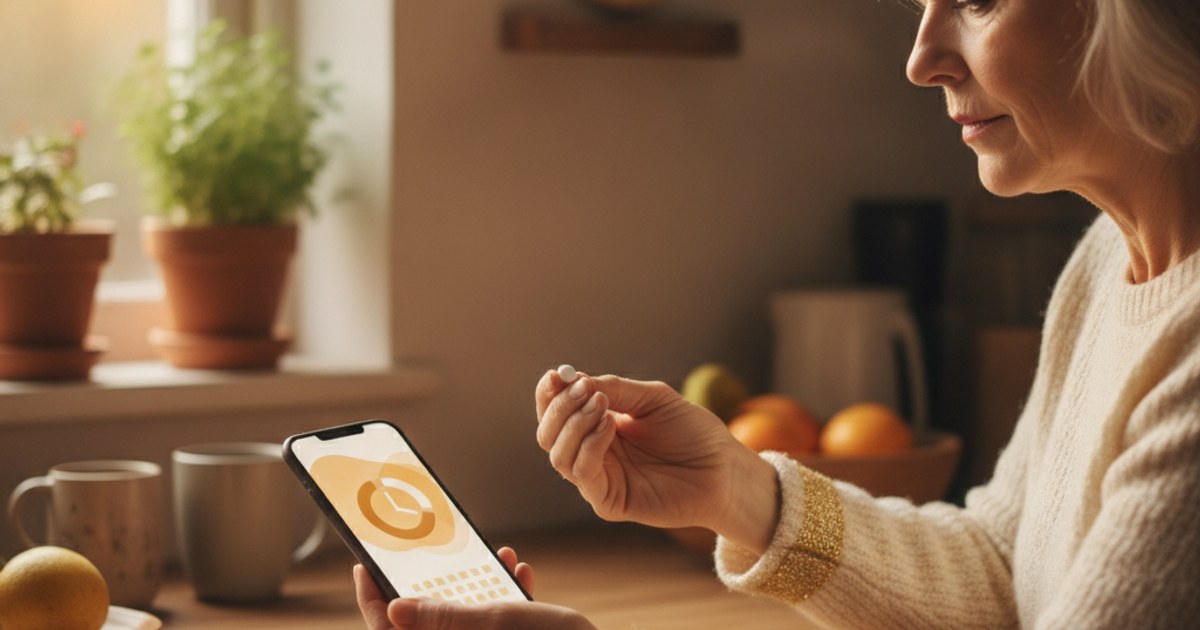
Medication Reminders for Blood Thinner Users
Warfarin and other blood thinners leave little room for a missed dose. Here's why a medication reminder app matters more with anticoagulants.

When a Senior Still Forgets Doses
The app is installed and the alarms are set, and doses are still being missed. Here's how to figure out which part of the real problem the app was never going to solve alone.

Medication Reminders and Daylight Saving Time
Twice a year the clocks jump an hour. Here's what happens to a medication schedule when they do, and what's worth double-checking that week.

Refill Reminders vs. Dose Reminders
A dose reminder and a refill reminder solve two completely different problems. Here's how a running pill count catches a refill before the bottle's empty.

Medication Reminder App for Hearing Loss
Turning the volume up doesn't help someone who can't hear the alarm at all. Here's how vibration and full-screen visual alerts close that gap reliably.
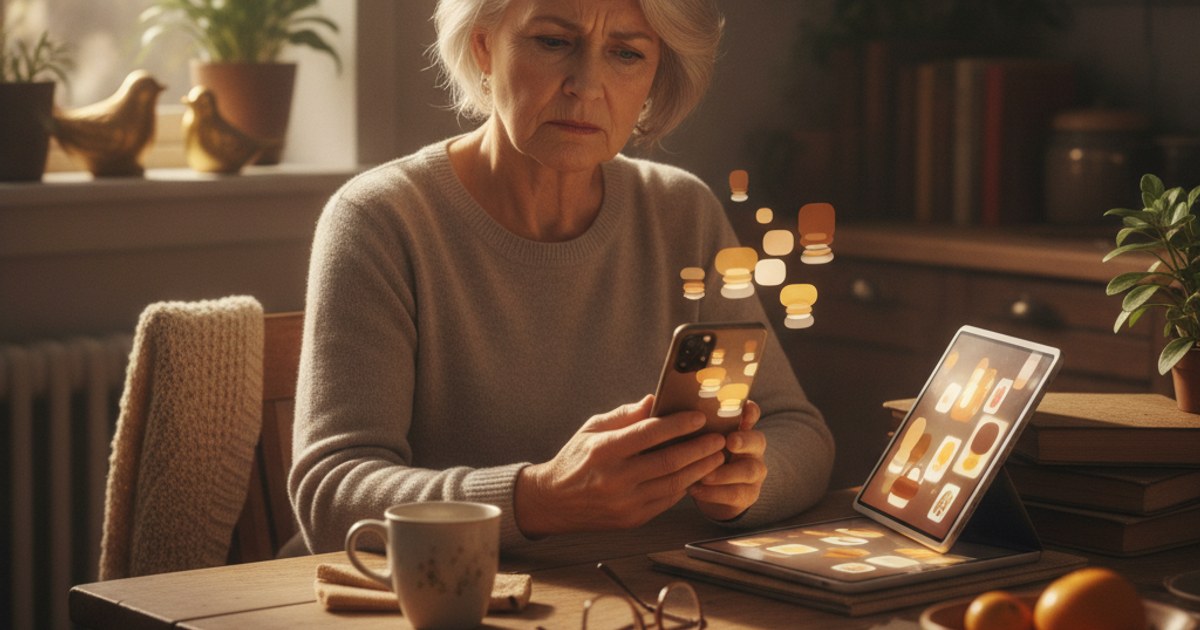
Alarm Fatigue: How Many Reminders Is Too Many?
A medication reminder app that rings too often can quietly stop working. Here's what alarm fatigue actually looks like and how to simplify a scattered schedule.

Medication Reminder App for PRN Medications
As-needed medications have no fixed schedule, so families often skip tracking them entirely. Here's why that's actually where the real risk hides, and how to fix it.
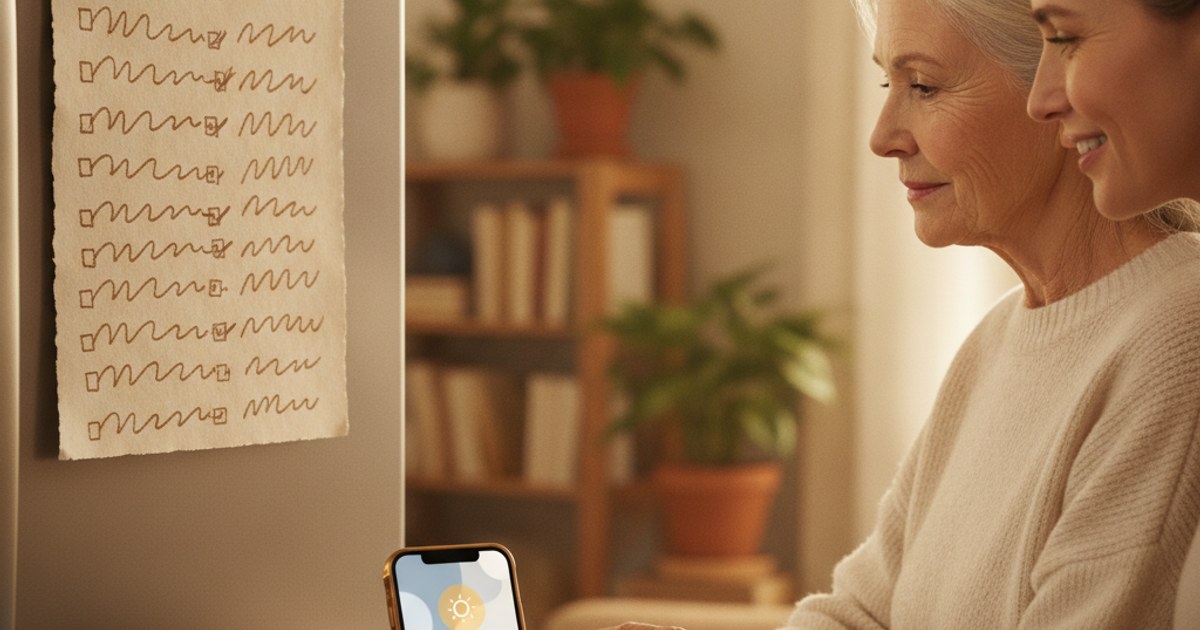
Medication Reminder App vs. a Paper Chart
A fridge chart is simple, but it only works if someone remembers to check it. Here's what an app adds, and why most families end up running both during the switch.

Convincing a Parent to Try a Reminder App
Resistance to a reminder app is rarely about the app. Here's how to frame it, set it up, and start small so a skeptical parent actually gives it a real try.

Reminder App for Seniors Who Don't Carry a Phone
"They don't carry their phone" is the most common objection to a reminder app. Here's why the fix is usually a louder alert and a consistent charging spot, not a different device.

Personal Alarms for Long-Distance Caregiving
Long-distance caregiving means you can't glance over and check if a parent took their medication. Here's how a family alert replaces the daily check-in call without feeling like surveillance.
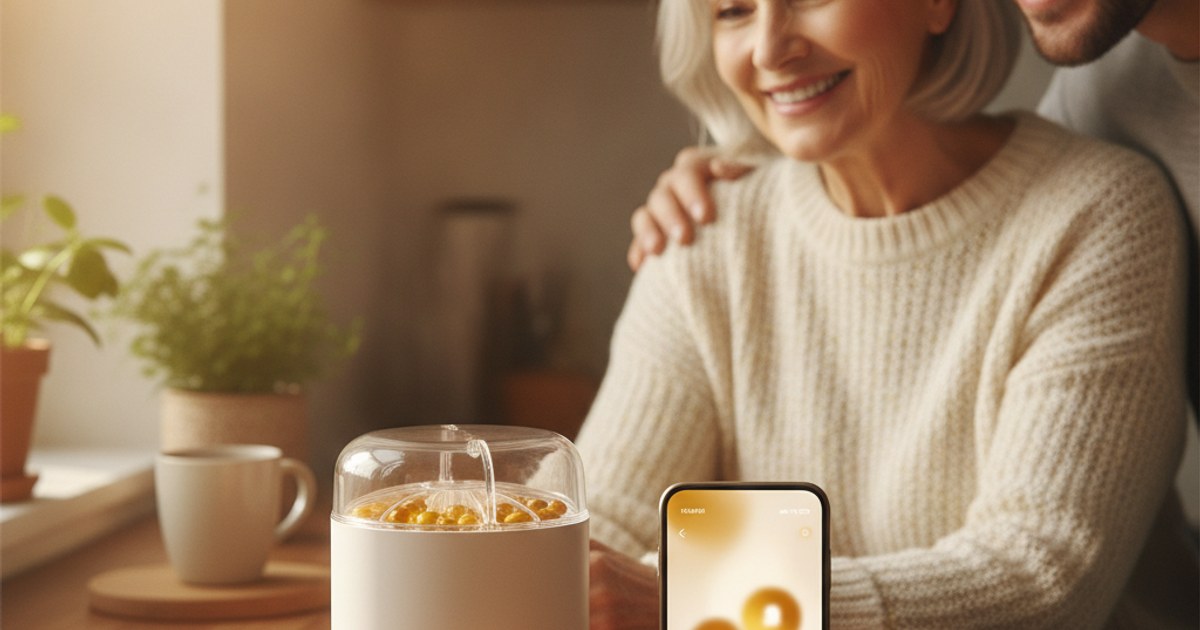
Pill Reminder App vs. Automatic Pill Dispenser
An automatic dispenser locks pills away and releases them on schedule. A pill reminder app is free and does something different. Here's how to tell which one actually solves your problem.

Medication Reminders for Seniors With Diabetes
Diabetes medication rarely fits a once-a-day reminder. Here's how a medication reminder app handles multiple precise daily times, and why the family alert matters more with insulin.

Medication Reminder App for Low-Vision Seniors
A reminder that can't be read clearly might as well not have fired. Here's what actually matters for low vision, macular degeneration, and cataracts, beyond a generic feature list.

Med Reminder App After Losing a Spouse
When the person who always kept track is gone, the medications don't change, but the system does. Here's a gentle way to rebuild it from scratch, one list at a time.

Personal Alarms for Elderly: No Monthly Fee
Most medical alert systems run $25-$50 a month for emergency monitoring you may not need. Here's a lower-cost way to solve missed medication specifically, without the monthly bill.

Is a Medication Reminder App Safe?
Handing an app your real medication list is a fair thing to hesitate over. Here's exactly what to check before trusting one, and what a family alert should and shouldn't expose.
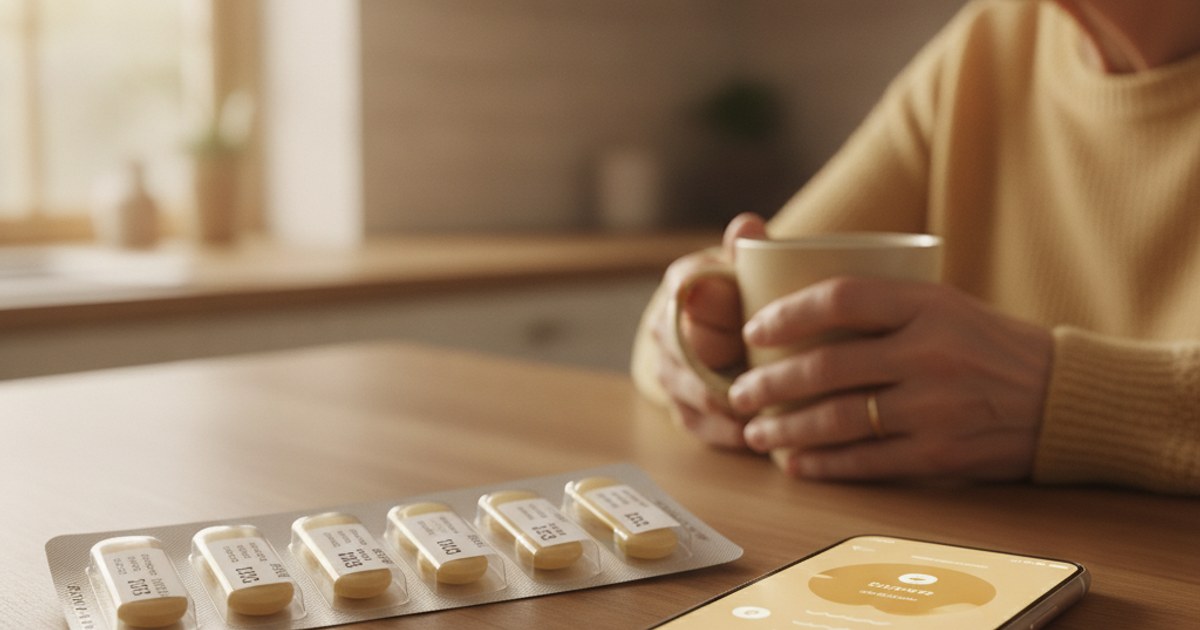
Pill Minder App vs. Pharmacy Blister Pack
A pharmacy blister pack sorts pills. It doesn't ring, and it doesn't tell anyone if a pouch goes untorn. Here's what each one actually solves, and why most people end up needing both.

Medication Reminder App for Seniors Who Travel
A daily routine that holds up fine at home falls apart fast on the road. Here's how a medication reminder app handles time zones, refills, and family alerts during a trip.
Medication Reminders After a Hospital Discharge
The first few weeks after a hospital stay are when medication mistakes are most likely. Here's how to set up a reminder app the same day discharge paperwork lands, and what to watch for.
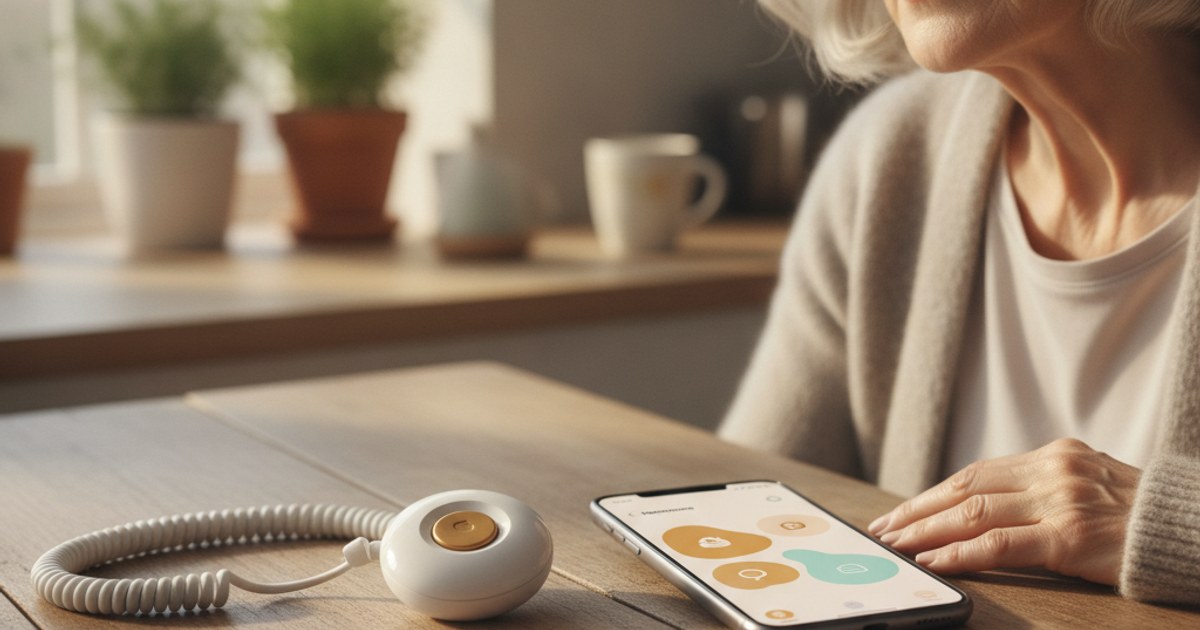
Medical Alert Pendant vs. Reminder App
Both keep an older adult safer living independently, but they solve very different problems. Here's the real difference between a medical alert pendant and a medication reminder app.
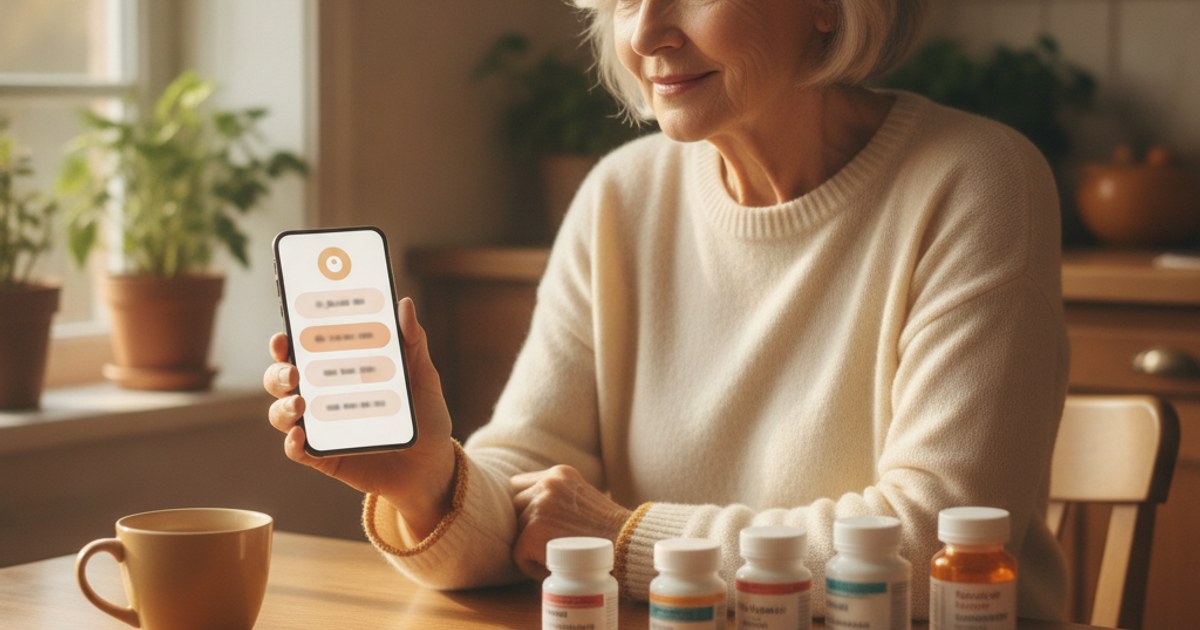
Managing Multiple Medications for Seniors
Five medications at four different times, with food, without food, on certain days only. Here's how to actually manage a complex schedule instead of hoping it holds together.

Medication Reminder Apps for Dementia
A medication reminder app isn't a treatment for memory loss, but it can close a real gap. Here's how to set one up specifically for early-stage dementia or mild cognitive decline.
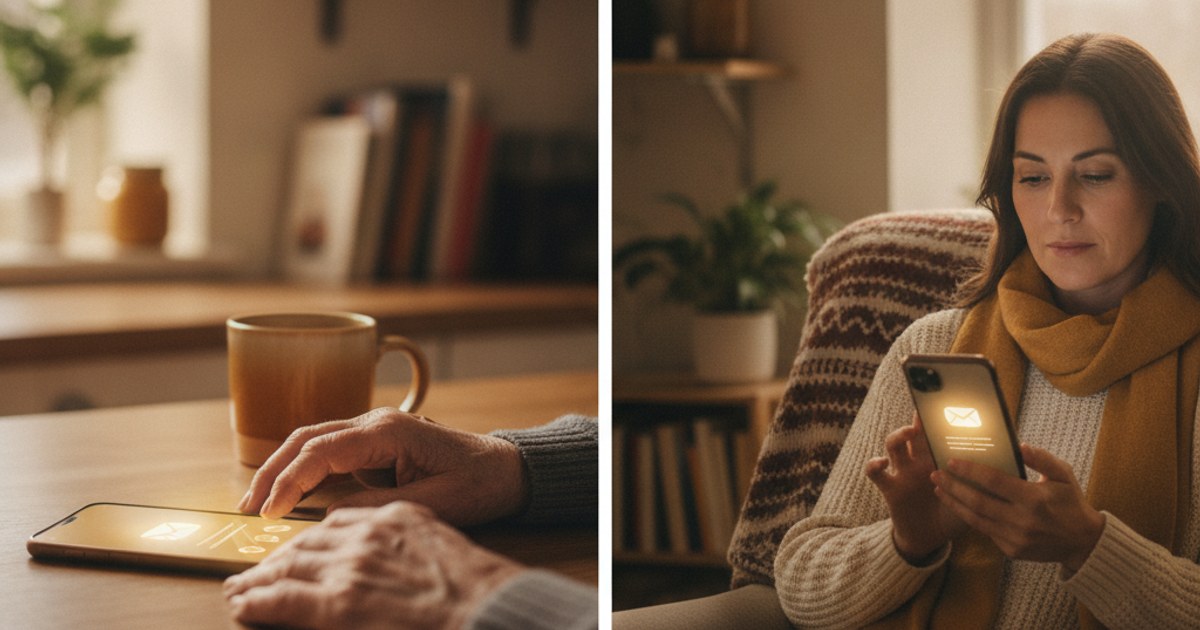
What Happens When a Senior Misses a Dose
A step-by-step look at what actually happens between a missed reminder and a family member's inbox, the response window, the alert, and what to do when one arrives.

Set Up a Medication Reminder App for a Parent
Setting up a medication reminder app for a parent who barely uses a smartphone takes a different approach than setting one up for yourself. Here's how to do it so it actually sticks.

Free vs. Paid Pill Reminder Apps for Seniors
Most pill reminder apps work fine for one medication on the free tier. Here's exactly what changes once a senior is managing more than one, and when upgrading actually pays for itself.

Personal Alarms for Elderly Users
A quiet phone notification is easy to miss. Here's why a medication reminder built like a personal alarm for elderly users, ringing through Alarm volume instead of Silent, actually gets noticed.
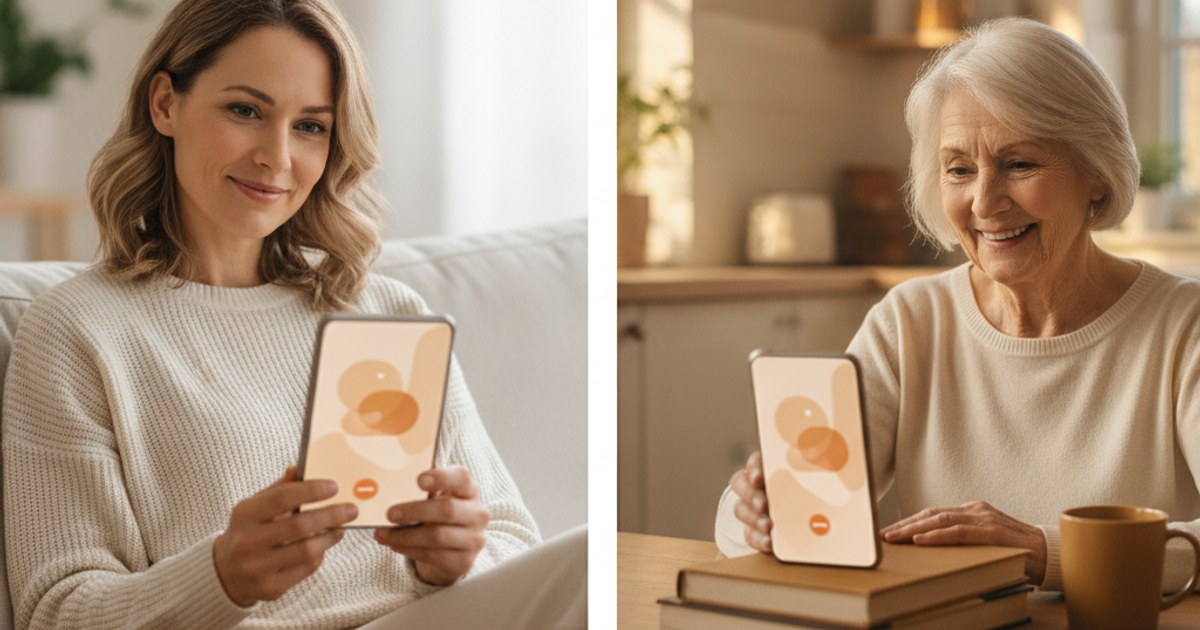
Med Reminder App for Aging Parents Living Alone
When a parent living alone manages their own medications, a med reminder app is how the rest of the family stops having to guess. Here's how the family-alert side actually works.

Pill Reminder App vs. Pill Organizer for Seniors
A weekly pillbox sorts doses. A pill reminder app tells you when to take them and tells family if you don't. Here's why most seniors 55+ end up needing both, not one or the other.
How Medication Reminder Apps Work
A plain-language look at how a medication reminder app actually catches a missed dose, what happens after the alert fires, and how family gets notified when a parent doesn't respond.
Best Medication Reminder Apps for Seniors
Large text, alarm-volume alerts, family notifications. Here's what actually separates a medication reminder app seniors will keep using from one they abandon after a week.